LGBT Marriage: Global Trends, Acceptance & Dating
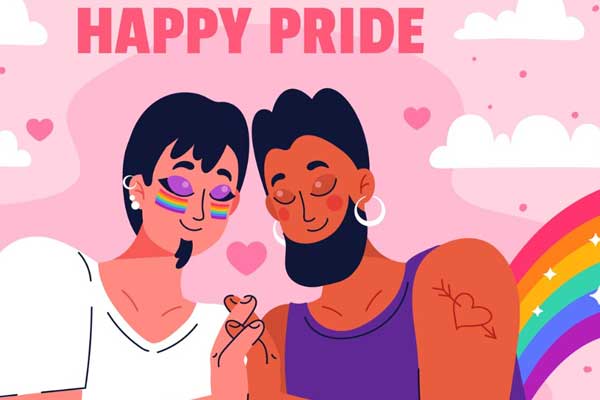
LGBT marriage refers to legally recognized unions between same-sex or gender-diverse partners. As global awareness of diverse identities continues to grow, more countries have begun discussing or adopting marriage-equality laws. This topic matters because marriage is not only an emotional commitment—it represents legal protection, social recognition, and personal dignity. For many people, LGBT marriage symbolizes equality and the right to build a life with the person they love.
Global Landscape: Where Same-Sex Marriage Is Legal?
More than thirty countries now fully recognize same-sex marriage, including the United States, Canada, the United Kingdom, Germany, France, Spain, and several Latin American nations. In addition to full legalization, some regions offer civil unions or registered partnerships that grant partial legal rights to same-sex couples, such as in the Czech Republic or Croatia. However, many countries still do not recognize same-sex marriage, and some even restrict public discussion around it. These legal differences reflect deeper cultural and historical views on family, tradition, and gender diversity around the world.
Social Acceptance: How Culture and Generations View LGBT Marriage
Cultural Differences
Attitudes toward LGBT marriage vary widely across cultures. In many Western countries, decades of advocacy have made marriage equality a mainstream value, with broad social support. In contrast, parts of Asia, the Middle East, and Africa remain more conservative due to religious beliefs and traditional family norms. As a result, LGBT marriage is viewed very differently across cultural contexts.
Generational Differences
There is also a clear gap between generations. Surveys consistently show that younger people tend to support same-sex marriage much more strongly, seeing it as a basic right. Older generations, shaped by more traditional values, often express hesitation or uncertainty. These generational differences contribute to uneven progress in marriage equality worldwide.
Urban vs. Rural Differences
Urban and rural environments further shape public attitudes. Large cities are typically more diverse and socially open, allowing LGBT individuals to express themselves with greater acceptance. In smaller towns or rural areas, conservative norms and close-knit communities can lead to social pressure or stigma. These differences strongly influence whether LGBT individuals feel safe pursuing relationships and marriage openly.
Statistics & Trends: What the Numbers Reveal About LGBT Marriage
Data Sources and Overall Trends
Statistics on LGBT marriage come from national censuses, social surveys, and marriage-registry records. Although each country collects data differently, the general trend is clear: in places where same-sex marriage is legal, more LGBT couples are choosing to officially marry. Studies also show a steady increase in people who openly identify and enter committed relationships.
Why the Number of LGBT Marriages Keeps Rising
Since legalization, the number of registered same-sex marriages has continued to grow. This rise is driven by multiple factors: expanded legal rights such as inheritance, medical decision-making, and adoption; increasing social acceptance; and couples’ desire for a stable, socially recognized partnership. Marriage has become both an emotional and legal form of security.
Social Changes Brought by Marriage Equality
As more countries adopt marriage-equality laws, society has undergone noticeable shifts. Companies, schools, and public institutions now pay more attention to diverse family structures. Media portrayals of same-sex families have reduced stereotypes, while younger generations grow up in more inclusive environments. These changes show that marriage equality transforms not only laws but also cultural norms.
How Marriage Shapes Dating & Relationships
Shifts in Dating Goals and Expectations: Marriage equality has reshaped how many LGBT individuals approach dating. With greater legal and social support, more people now look for long-term, stable partnerships rather than short-term interactions. This shift influences communication styles, relationship expectations, and partner preferences.
Impact on Online Communities and Dating Apps: Legal recognition has also expanded the role of digital platforms. More LGBT users feel comfortable seeking partners online for meaningful, long-term relationships, and social apps increasingly support diverse identities, safety features, and commitment-oriented matching. Digital spaces are becoming a powerful tool in helping LGBT individuals build lasting relationships.
The Meaning and Future of Marriage Equality
Marriage equality represents dignity, freedom, and the right to choose one’s path. As more countries move toward inclusivity, supportive digital communities will continue helping LGBT individuals find love and build families.